
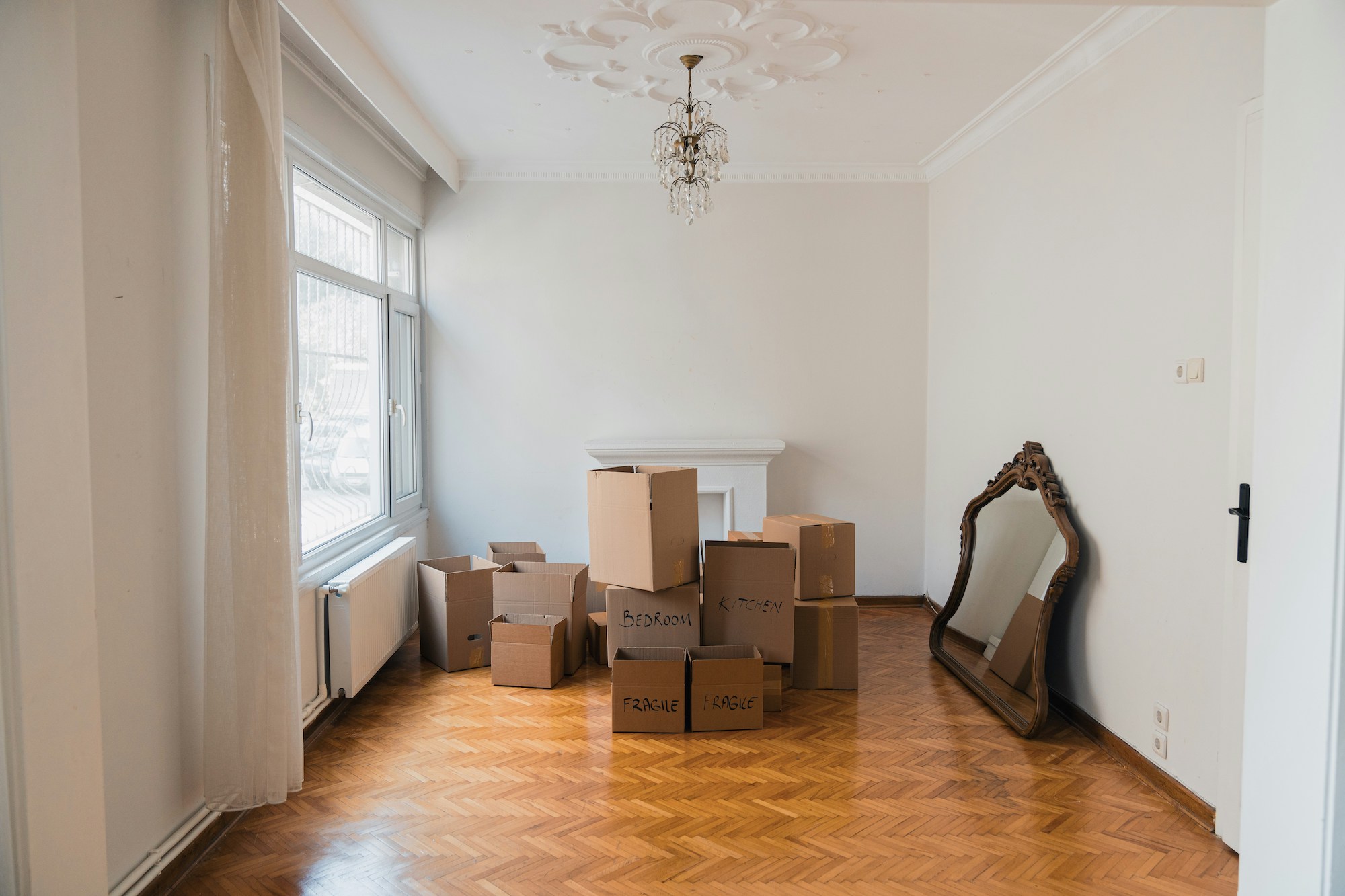
Moving can be a challenging and stressful process, but with careful planning and organization, you can make the experience more manageable. With the potential for mishaps during a move, it’s essential to acknowledge that there is no one-size-fits-all guide to cover every scenario. However, a general list of moving tips can significantly facilitate the process. Let’s explore some valuable moving tips, tricks, and advice.
Preparation
Minimize Possessions
Before packing, alleviate the burden by decluttering and purging unused or unnecessary items. This reduces the volume to pack, move, and unpack, providing a fresh start in the new space.
Create a Moving Folder
Compile crucial documents, addresses, contracts, and records in a designated folder, ensuring easy access to information during the planning and execution phases.
Early Packing
Start packing well in advance, prioritizing off-season and occasional-use items. This proactive approach minimizes stress on the moving day.
Early Bookings
Secure moving services, rentals elevator time, or additional professionals early to avoid higher costs and potential unavailability, especially during peak moving seasons.
Essentials Bag
Pack a bag with essential items for the immediate post-move period, including clothes, toiletries, medications, and important documents.
Equipment Readiness
Acquire or rent necessary moving supplies and equipment, such as box cutters, tape, furniture dollies, and tie-down straps.
Loading Ramp
If handling the move independently, opt for a truck with a loading ramp to ease the process and minimize physical strain.
Packing Tips
Box Size Consideration
Use appropriately sized boxes for different items, avoiding overloading large boxes with heavy items.
Weight Distribution
Place heavier items at the bottom of boxes and load the heaviest boxes towards the front of the moving vehicle for balance.
Avoid Empty Spaces
Fill gaps in boxes with clothing, towels, or packing paper to prevent movement and instability.
Room-Based Packing
Pack items and label each box from the same room together to streamline the packing and unpacking processes.
Secure Box Closure
To securely seal a box, apply several pieces of packing tape along both the top and bottom seams, ensuring a firm and even closure.
Artwork Protection
For valuable art, inquire about special crating. Use masking tape to reinforce glass on framed pieces and wrap them carefully.
Kitchen Packing
Begin by wrapping each dish with packing paper, then bundle five or six dishes together, securing them with additional paper. It’s crucial to pack dishes on their sides rather than flat and utilize bunched-up paper both above and below for ample padding. For cups and bowls, stack them inside one another with paper in between and wrap three or four in a bundle. Opt for dish-barrel boxes for packing.
When it comes to packing glasses, employ a box equipped with cardboard dividers to provide added protection. Ensure to wrap glasses in multiple layers of paper to safeguard them during the move.
Clothing and Shoes
When packing clothes for a move, consider various options: fold clothes in cardboard boxes, suitcases, or leave them in dressers if manageable. For hanging clothes, use wardrobe boxes to eliminate the need to pack hangers separately. For jewelry, repurpose items like straws or toilet paper rolls to prevent tangling when stringing necklaces.
TV Packing
For TVs, especially plasma ones, consider double-boxing for protection. Use padded crates for plasma TVs if the original packaging is unavailable.
By implementing these tips and staying organized, you can significantly reduce the stress associated with moving and make the transition to your new home smoother and more enjoyable.